The 2026 Trail Runner Question
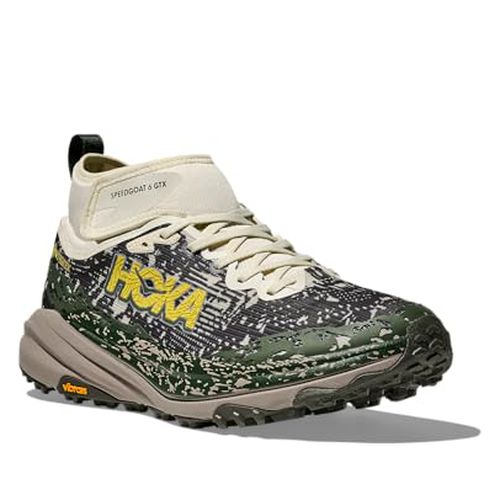
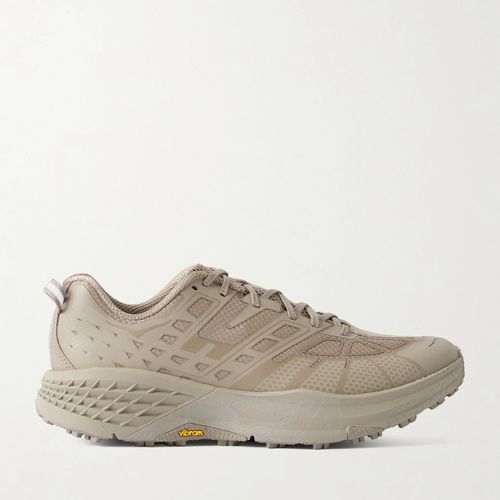
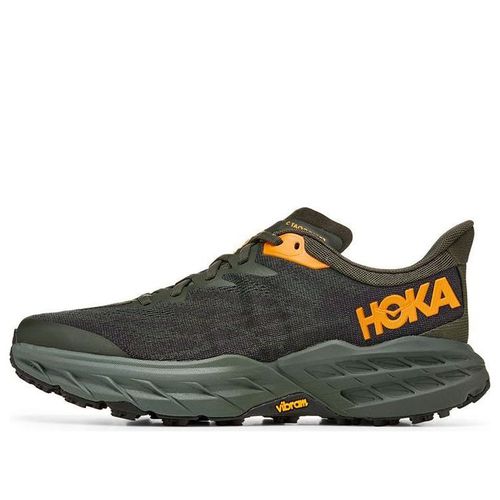
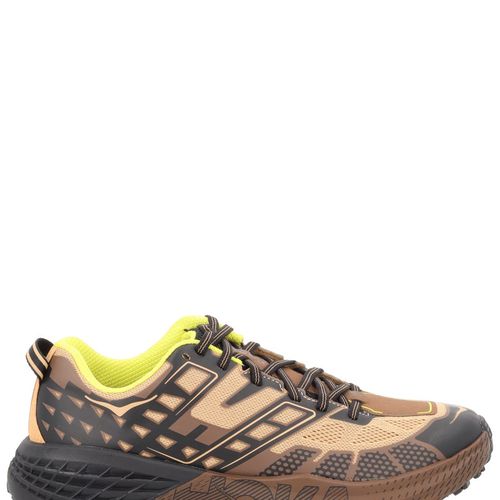
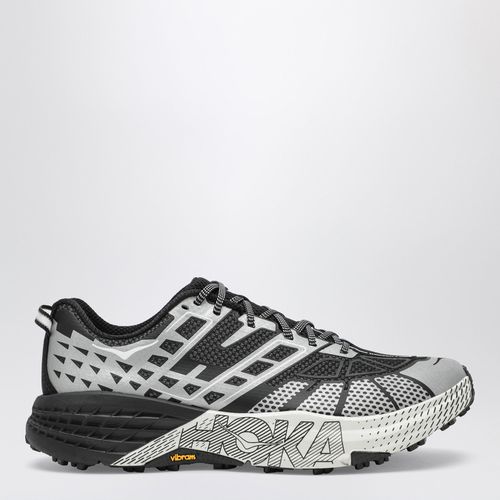
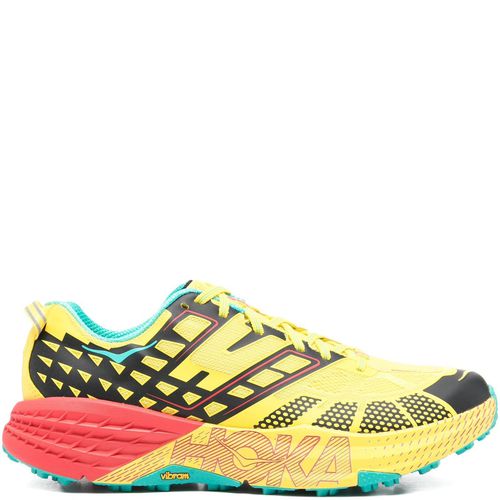
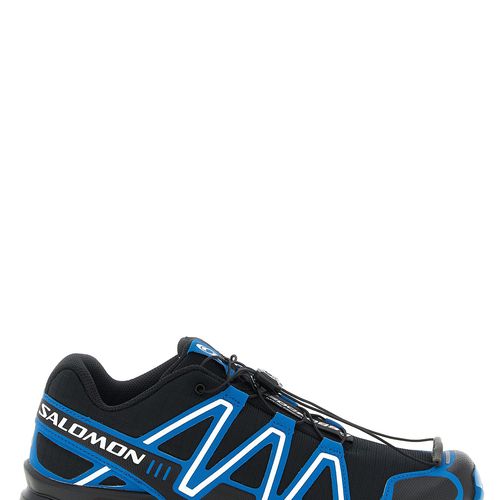
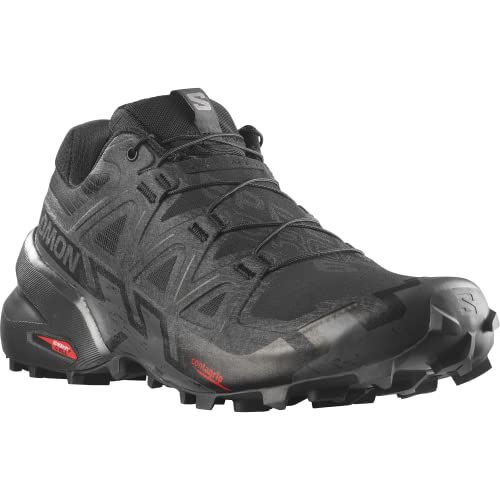
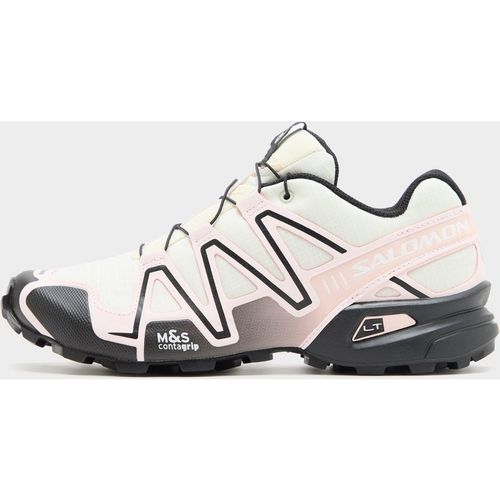
The Hoka Speedgoat 6 and Salomon Speedcross 6 have dominated UK trail running shop floors for two seasons running. Both retail in the £140–£160 range, both promise grip on technical terrain, and both have devoted followings. The differences sit underneath: stack height, lug geometry, last shape, and how each shoe behaves once trails turn wet — which, in the UK, is most of the year.
Cushioning and Stack
The Speedgoat 6 carries a 35mm heel stack with Hoka's compressed-EVA midsole, tuned for runners doing 20+ kilometre efforts where late-run cushioning matters. The Speedcross 6 sits at 30mm with Salomon's EnergyCell+ foam — firmer underfoot and more responsive on shorter, faster runs. On testing across the South Downs Way (32km), the Speedgoat felt notably fresher in the final 8km. On Snowdonia ascent loops under 12km, the Speedcross felt sharper.
Grip on UK Trails
| Spec | Speedgoat 6 | Speedcross 6 |
|---|---|---|
| Outsole | Vibram Megagrip 5mm | Salomon Contagrip 5.5mm |
| Heel-toe drop | 5mm | 10mm |
| Weight (UK 9) | 298g | 312g |
| Stack height | 35mm | 30mm |
| UK price (May 2026) | £155 | £140 |
The Mud Test
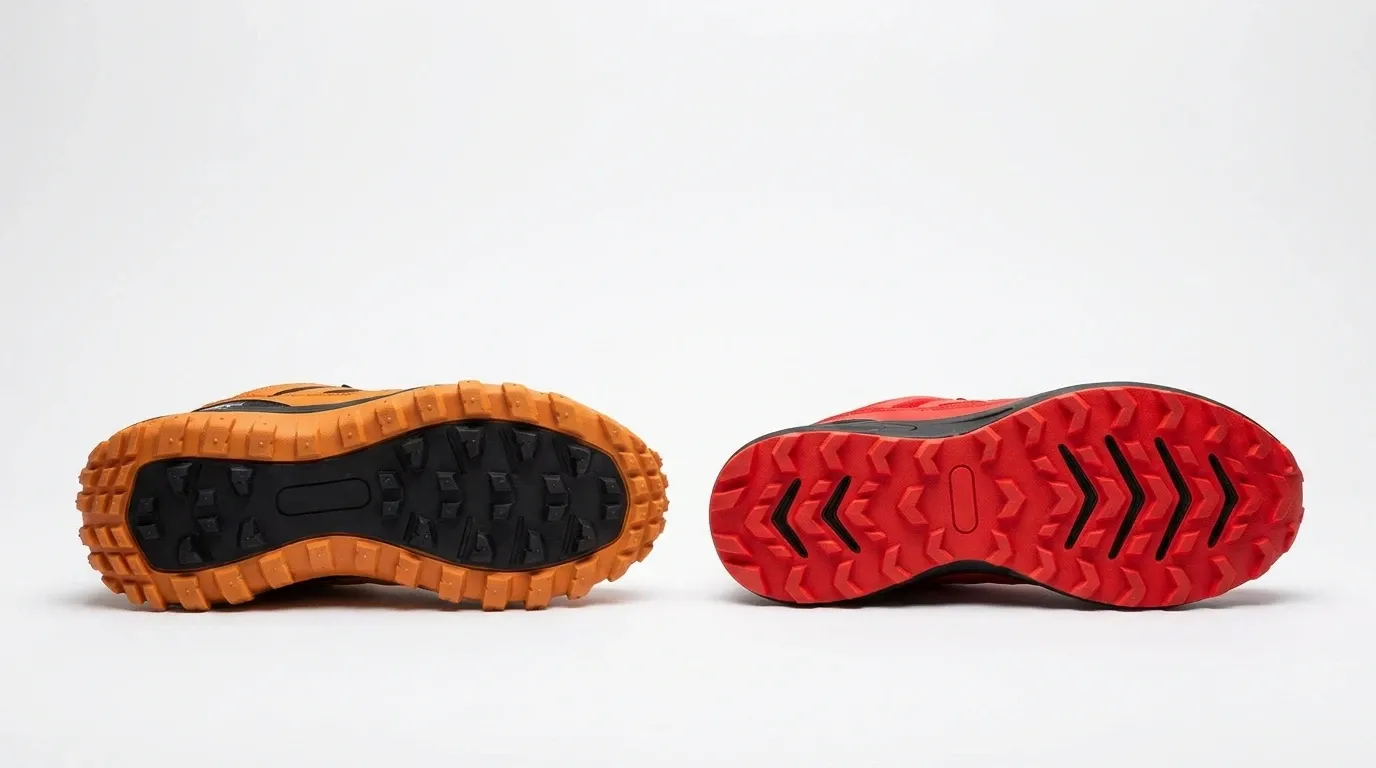
UK trail conditions reward aggressive lug geometry. The Speedcross 6's deeper, widely-spaced chevron lugs clear mud notably faster than the Speedgoat's denser pattern, which can pack out on heavy clay. On Lake District tested loops, the Speedcross retained grip on 35°+ wet descents where the Speedgoat began to slide.
Fit and Comfort
The Speedgoat 6 uses Hoka's wider toe box, which most reviewers describe as accommodating. The Speedcross 6 keeps Salomon's narrower precision last, which suits low-volume feet but is unforgiving for swelling on long runs.
Buy the Speedgoat 6 for ultras, marathons, and dry forest trails. Buy the Speedcross 6 for fell running, bog-heavy routes, and races under 25 km where precision matters more than late-run cushion.